Towards an Artistic Research Community
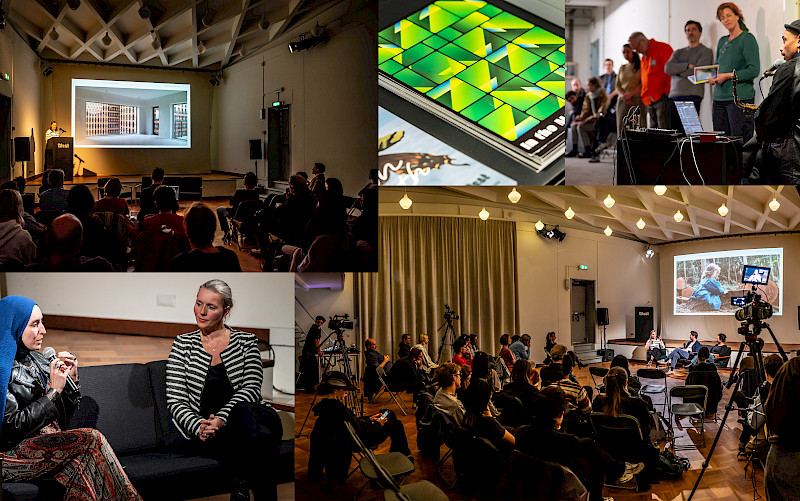
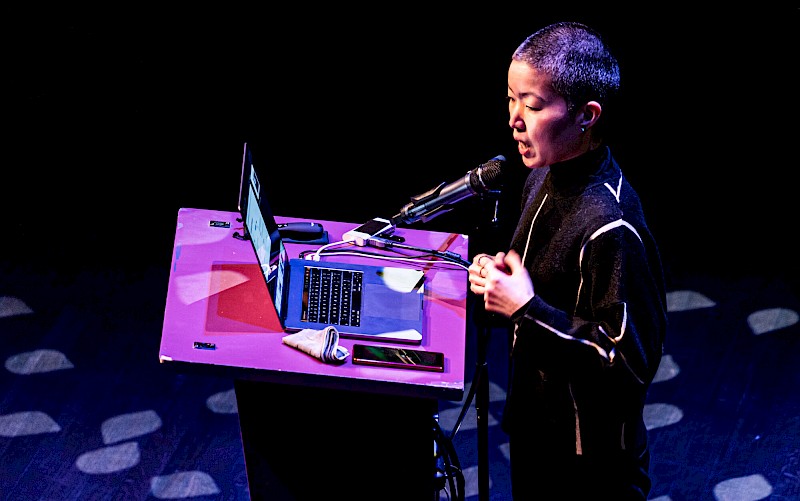
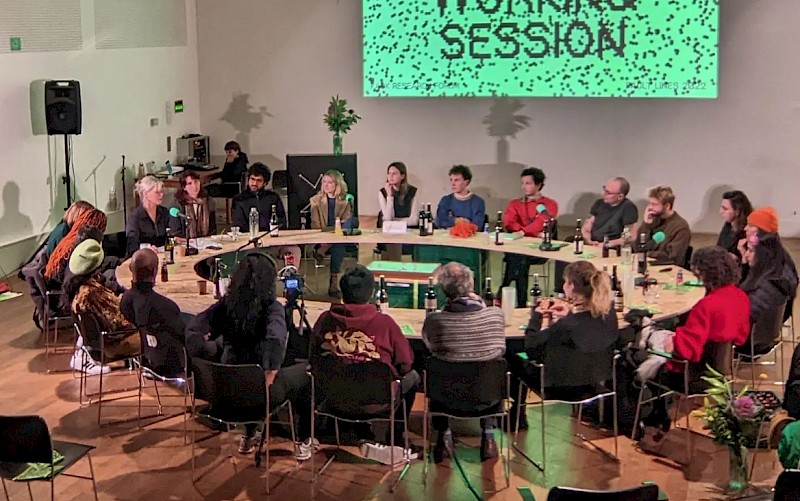
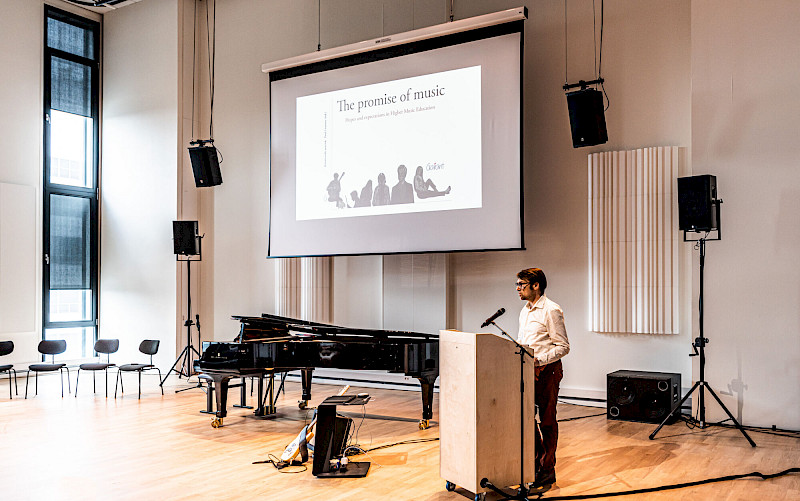
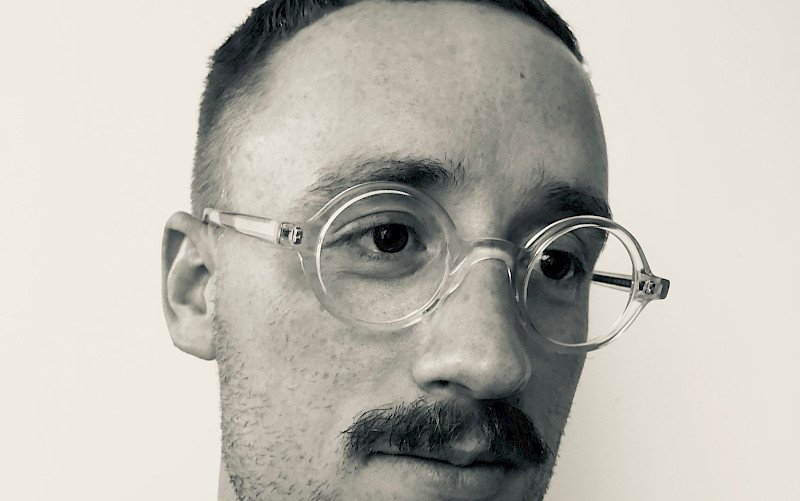
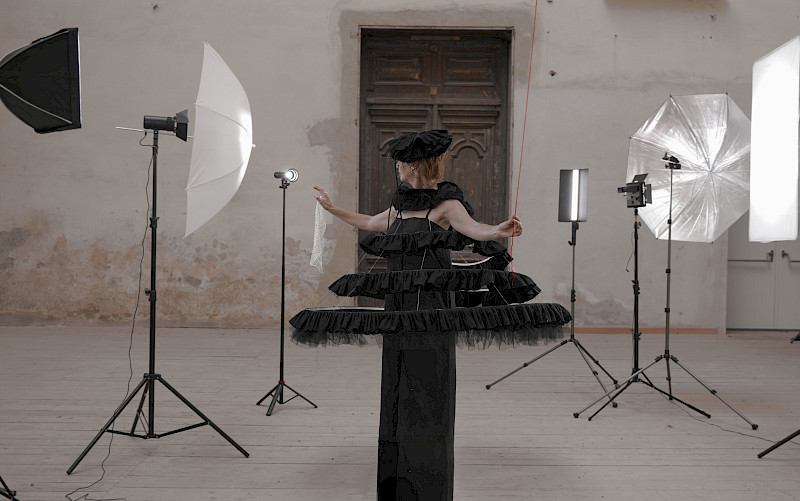
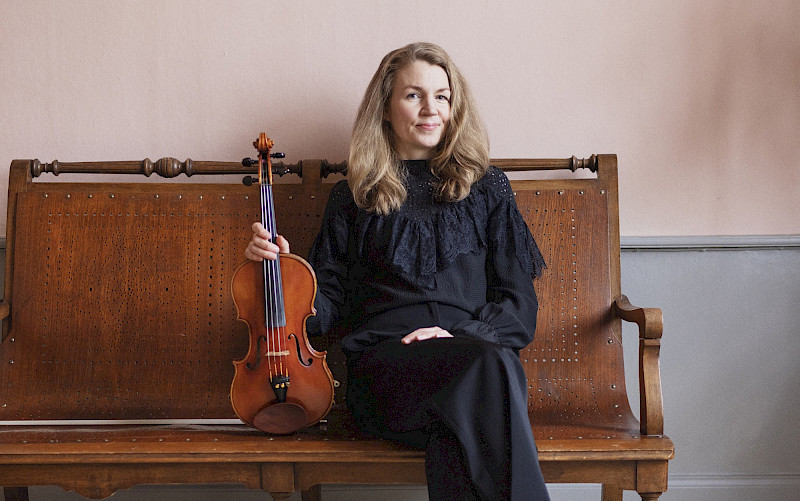
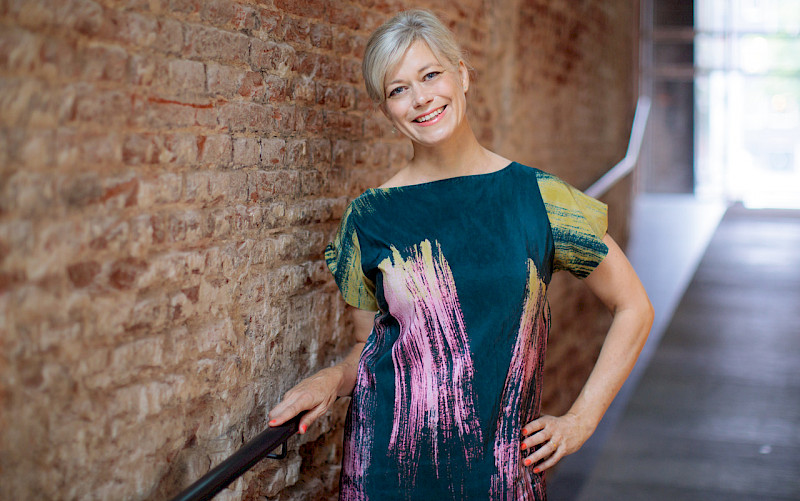
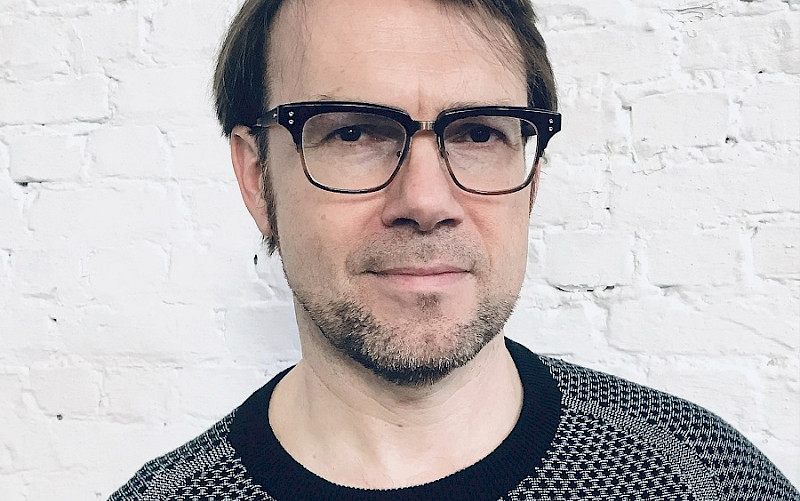
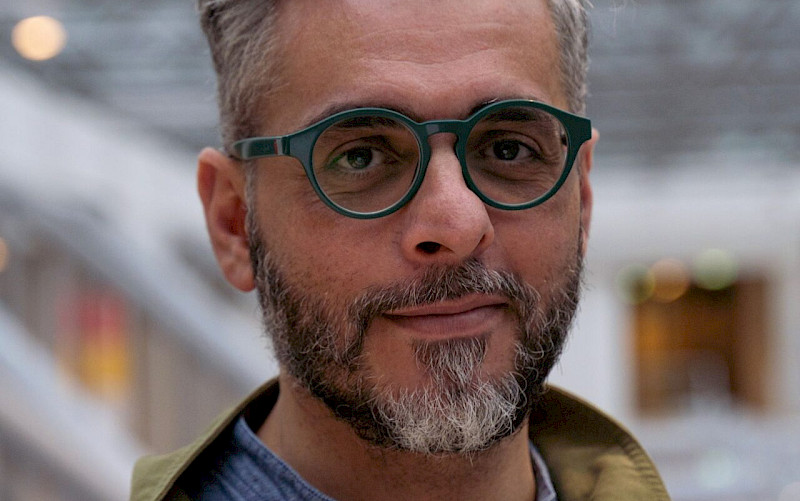
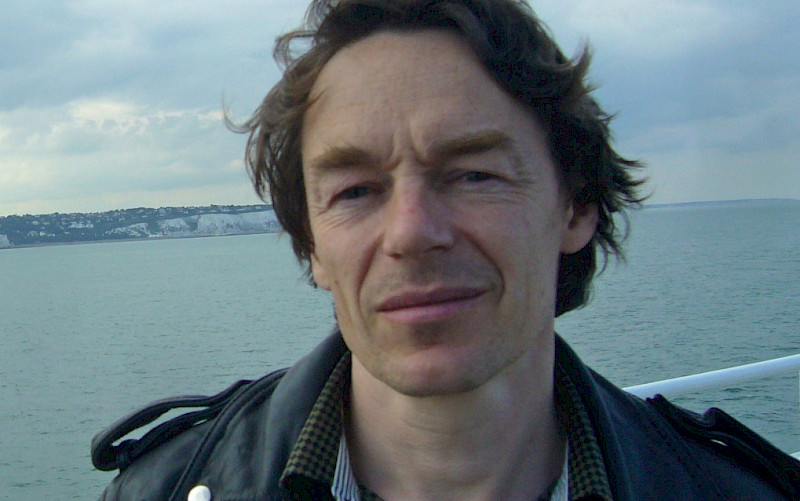
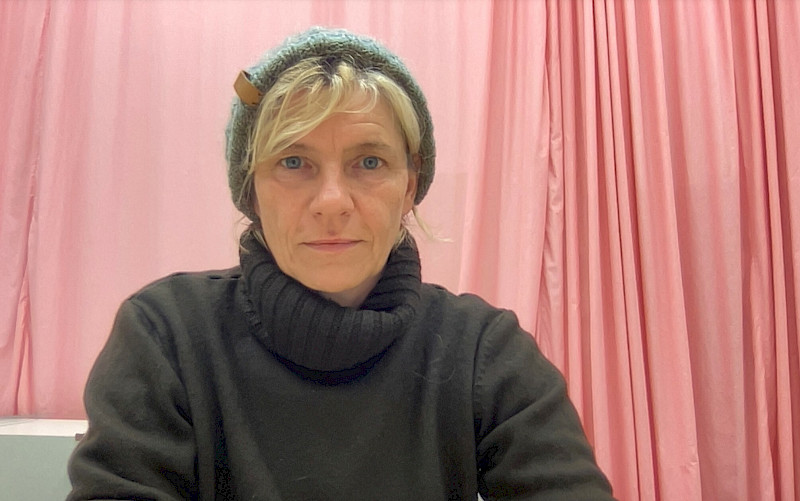
In the fourth and final session of this year’s In the Making series, the question on what an Artistic Research community entails will be addressed. The evening will start with a presentation by intellectual historian and art historian, theorist and cultural producer Tobias Dias, on his forthcoming monograph Elements of the Revolution: A Prehistory of Artistic Research. This will be followed by an extensive panel discussion including Tobias Dias, artists Clara Balaguer and Cyan Bae, art historian Sven Lütticken and moderated by Gabriel Paiuk.
Although the phenomenon of Artistic Research and contemporary art’s now notorious turn towards knowledge production, collaborative research and pedagogy have transformed and redefined the artistic field in the last few decades, genealogies and prehistories of this social, institutional, and disciplinary form are still generally lacking. In this talk, Tobias Dias will ask: How did the “form” of artistic research come into being? Why, when, and how did artists begin to redefine their practice and identity towards knowledge, collaborative research, and technoscience, and even endow such a redefinition with political and revolutionary motivations? In other words, what are the historical conditions for “artistic research”? and, ultimately: What can a prehistory of artistic research do to artistic research in its current form?”
The presentation by Tobias Dias will be followed by a panel discussion addressing the question: what would the development of an Artistic Research community entail?
This question is meant to address how a commitment to the practice of research alters the modus operandi for the artist, since, in this context, the work of the artist is not only valued as the outcome of an authorial process (whether produced individually or as part of a collaboration), but rather as contributing to a shared process of knowledge production – where knowledge is conceived in a broad way to encompass non-discursive elements as well.
A full commitment to this perspective would eventually entail that how artists- researchers think of themselves needs to change, in order to become part of a collective process, and eventually, a community of researchers. Examples from different scientific fields may provide an example on which to look when addressing such questions. Without aiming to arrive into normative conclusions nor equate the contexts of artistic research with other established disciplines, a number of questions arise, for example: How necessary is it to conceive the development of an artistic research community? What characteristics should it have, and what kind of practices and forms of interaction could emerge in such a community? Would such a community require the development of differently conceived spaces, platforms or infrastructures? And how would those enable the effectiveness and depth of the research?
Programme
18.30 Starting off with free soup and encounters
19.00 Start public session (lectures + panel discussion)
21.00 After talk and free access to the current exhibitions
22.00 Closing
Location
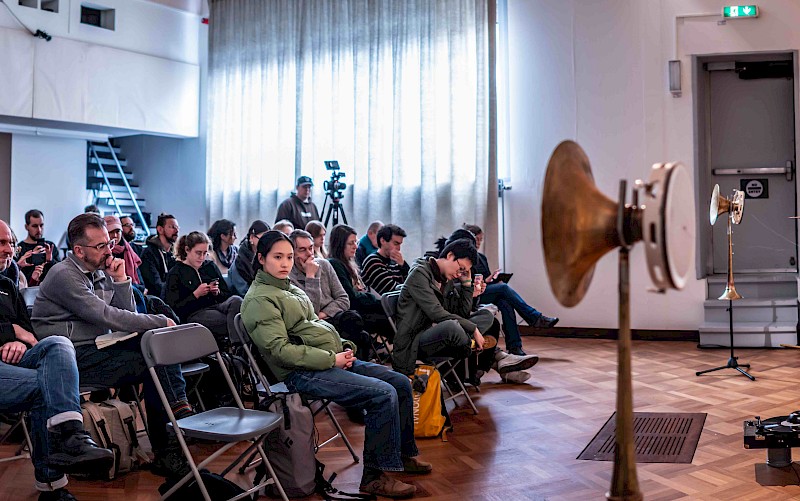
The programme will take place in at West Den Haag, in the former American embassy in The Hague (Lange Voorhout 102, 2514 EJ, Den Haag—walking distance The Hague Central), on Thursday nights from 18.30 — 21.00.
Registration
Free ticket + information: https://ITM17.eventbrite.nl