Finding Inspiration in Miscellany: 18th- and 19th-Century Programming as a Model for Audience Engagement Today
Performers and programmers face an enduring challenge: how to maintain artistic integrity while creating experiences that engage and inspire audiences.
Classical music audiences have declined over recent years, with attendance now representing only approximately 4% of the population (Presser Foundation, 2024). While some attribute diminishing attendance to new technology and shorter attention spans, recent audience surveys (The Violin Channel, 2024) reveal that the general public expresses a strong desire to attend concerts and experience live music but feel the formality of traditional concert models requires prior education in order to attend. In response, concert curators have developed numerous initiatives, including children’s concerts, crossover projects, and online performances, to engage new and returning audiences.
Yet despite these efforts, attendance continues to decline, suggesting the underlying challenge may be rooted in how concerts are fundamentally programmed and presented. This is not the first time musicians have faced such challenges, and this exposition explores the question of how concert programmers can restructure and present concerts which will resonate with today’s audiences.
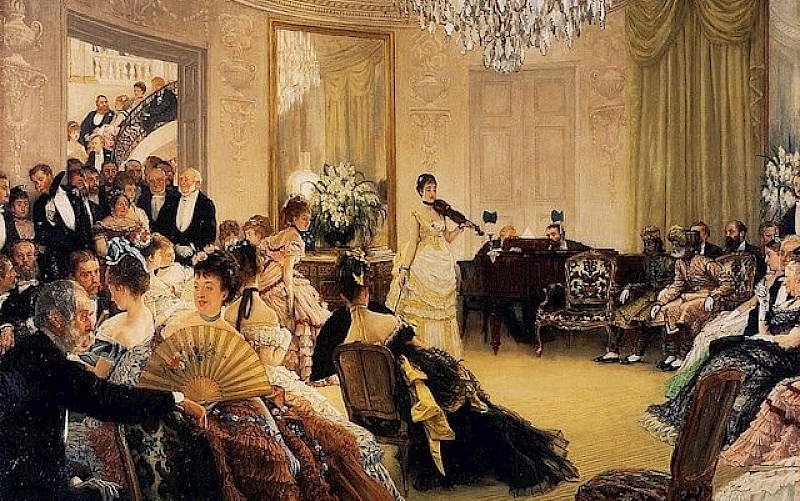
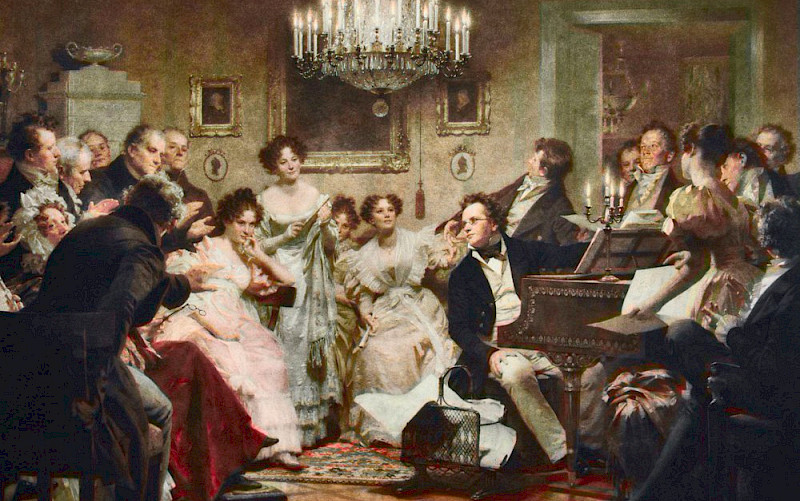
In the 18th and early 19th centuries, concert programmers faced similar challenges in reaching diverse audiences and maintaining attendance as social institutions shifted. They responded with innovative formats: pleasure gardens, where audiences could socialize, enjoy nature, and experience music in informal settings; emerging concert series established across Europe; and salon concerts that cultivated musical literacy and community. Central to these initiatives was miscellaneous programming, where concert programs featured mixed instruments, genres, styles, and composers. These programs were designed to accommodate the diverse tastes of the public. Rather than expecting all audience members to appreciate the same works, programmers intentionally created variety so that every attendee would find personal resonance. These initiatives proved remarkably effective in their time.
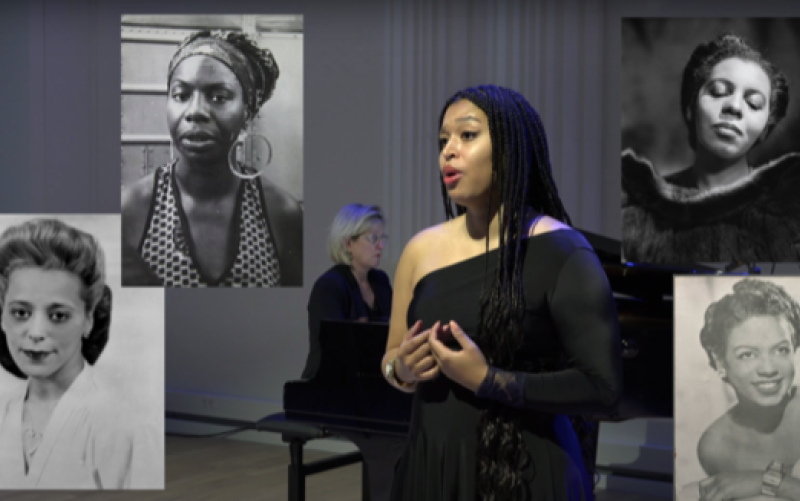
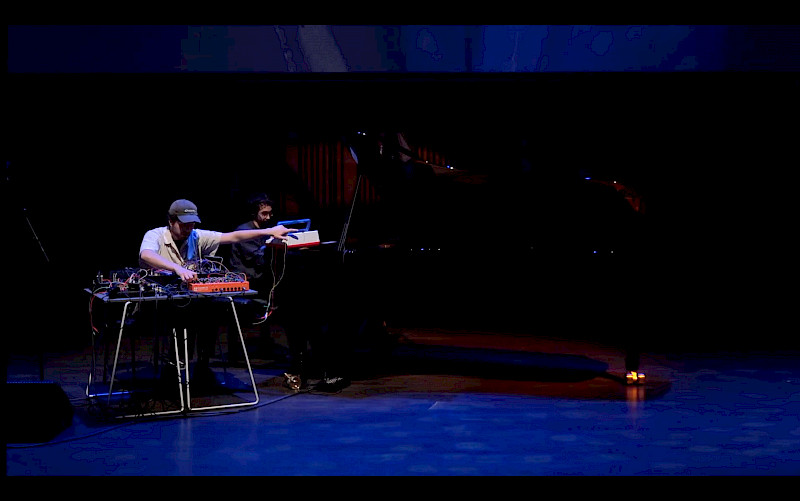
Through artistic practice-based research, I explore how contemporary concert curators can draw inspiration from miscellaneous programming to address modern audience engagement challenges. Drawing on historical programming models, I have documented and analyzed multiple concert projects, including performances by the Llum String Quartet (one of my student ensembles) and concerts presented by my own ensemble, Heliosfero. These case studies integrate historical programming principles and feature varied repertoire, multimedia elements, and flexible pacing. I demonstrate that such programming creates more accessible and engaging concert experiences without compromising artistic standards. This exposition argues that miscellaneous programming is neither a simplification of repertoire nor a nostalgic return to the past, but rather a historically-informed, practical approach to contemporary concert curation that honors both tradition and innovation.