Colours of Thought: Jean-Luc Godard’s Le Mépris as Essayistic Fiction
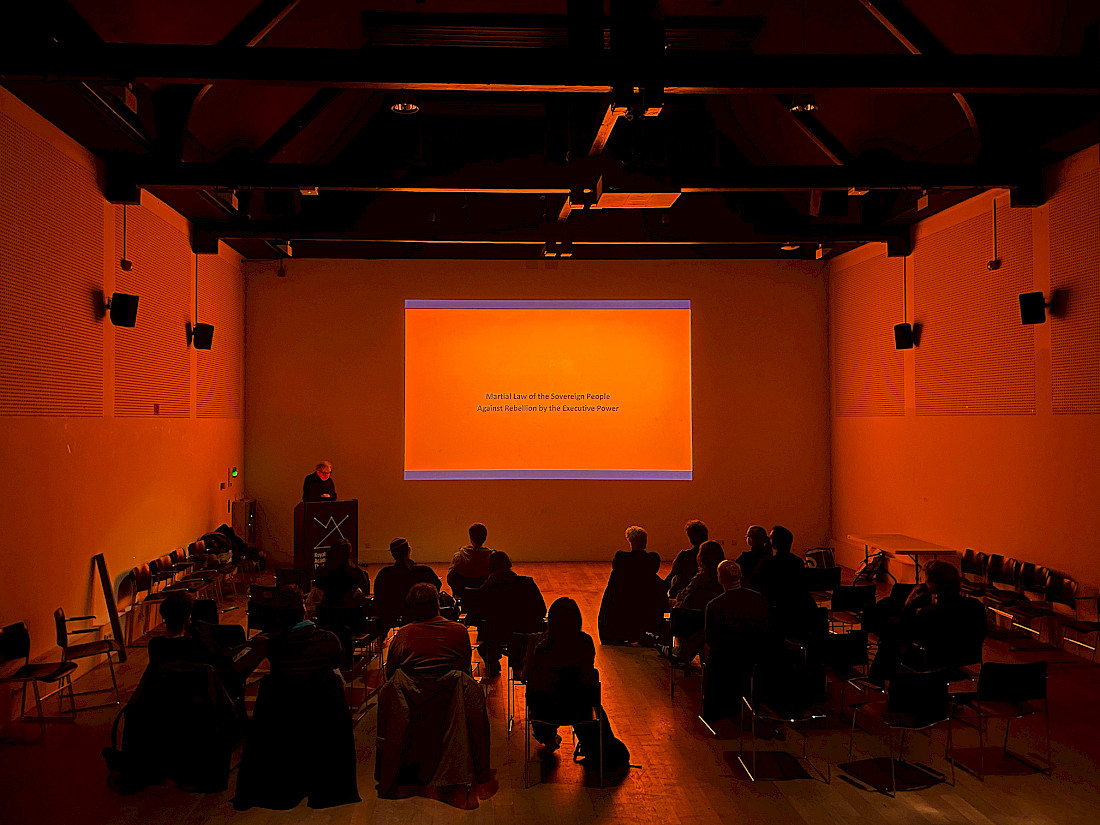
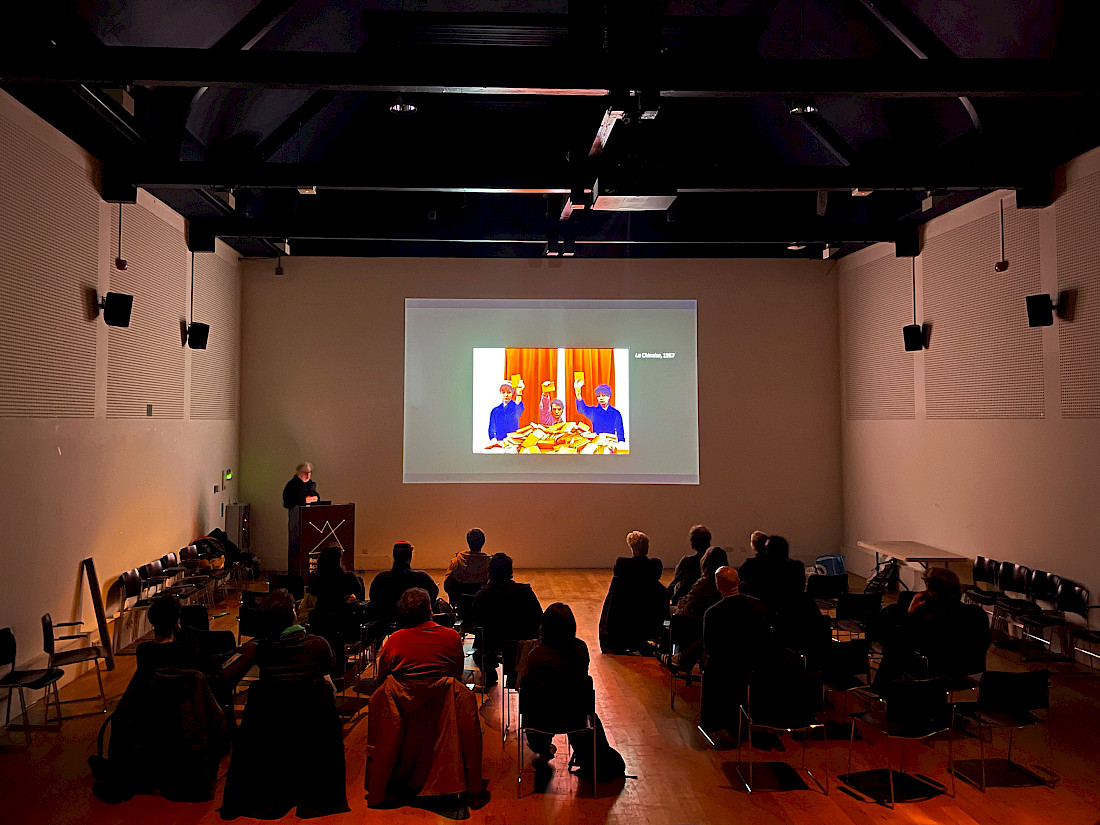
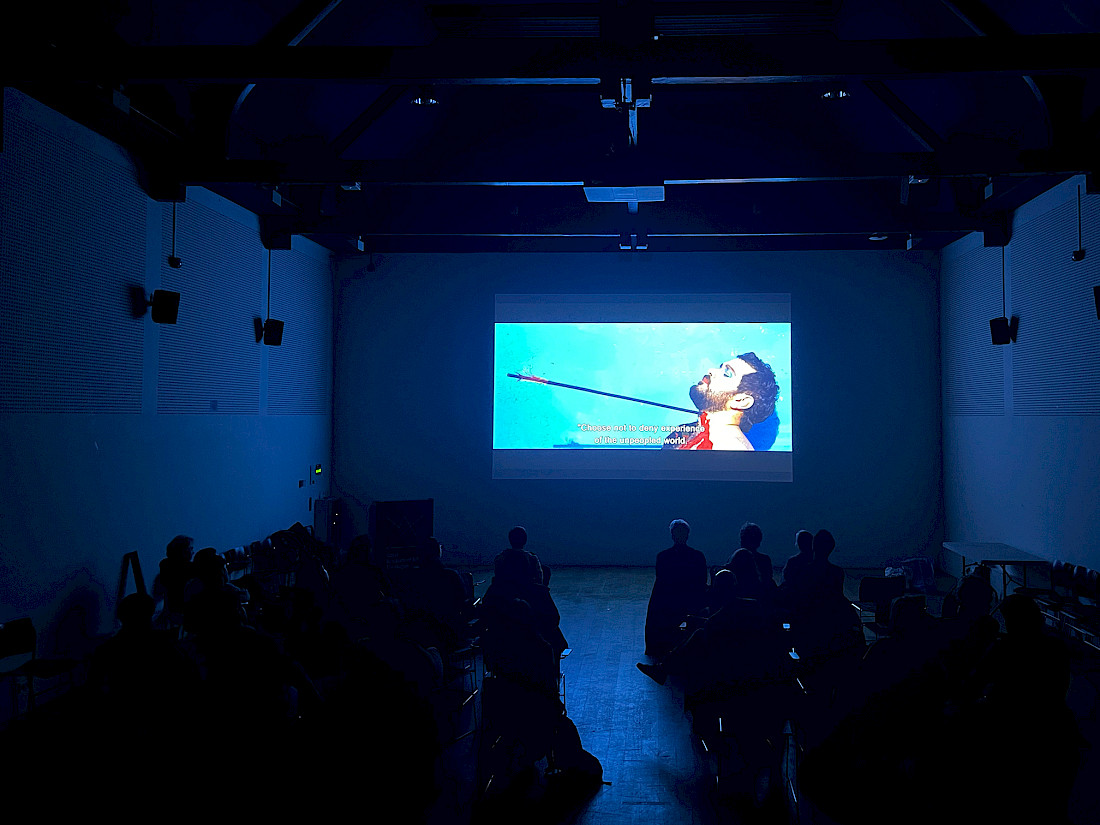
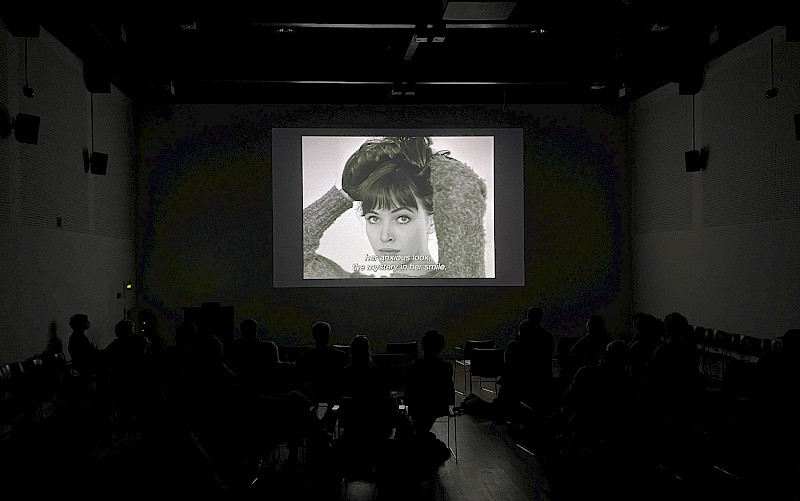
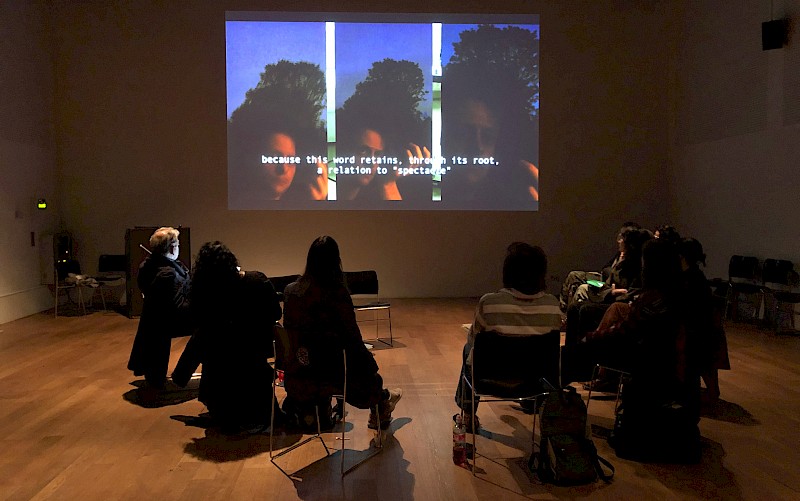
A screening of Godard's Le Mépris and lecture by Erik Viskil.
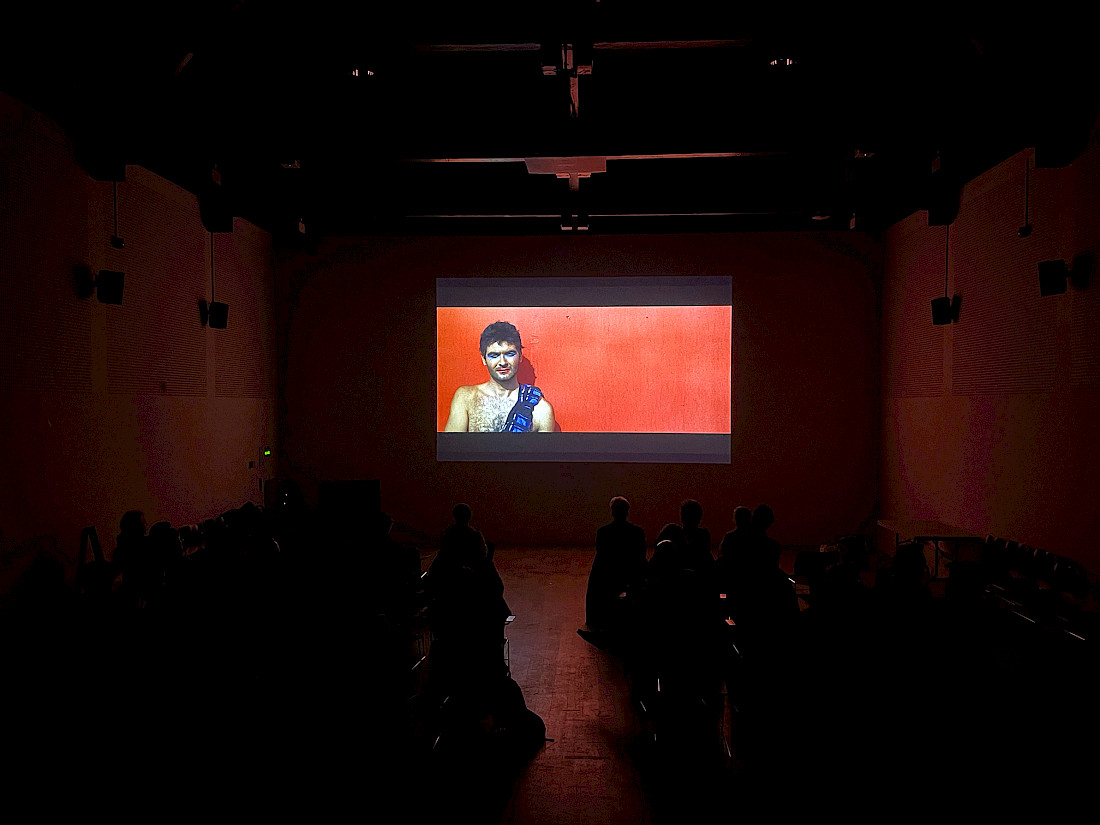
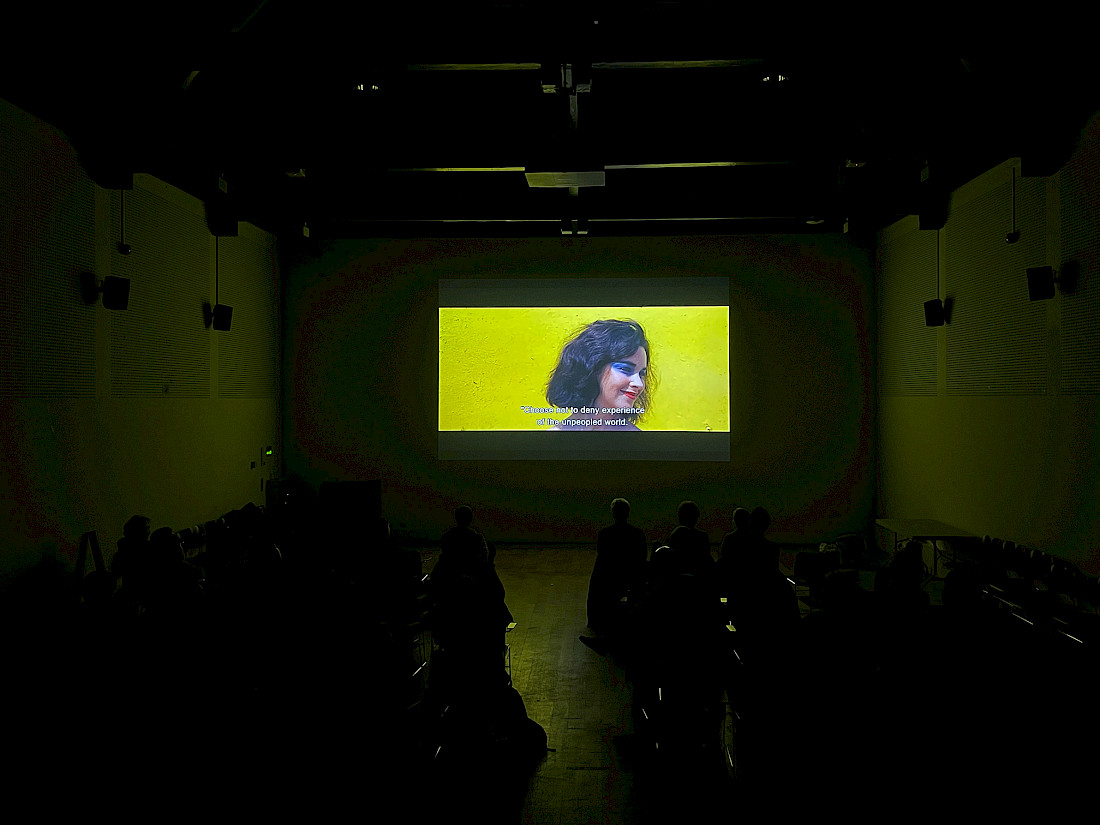
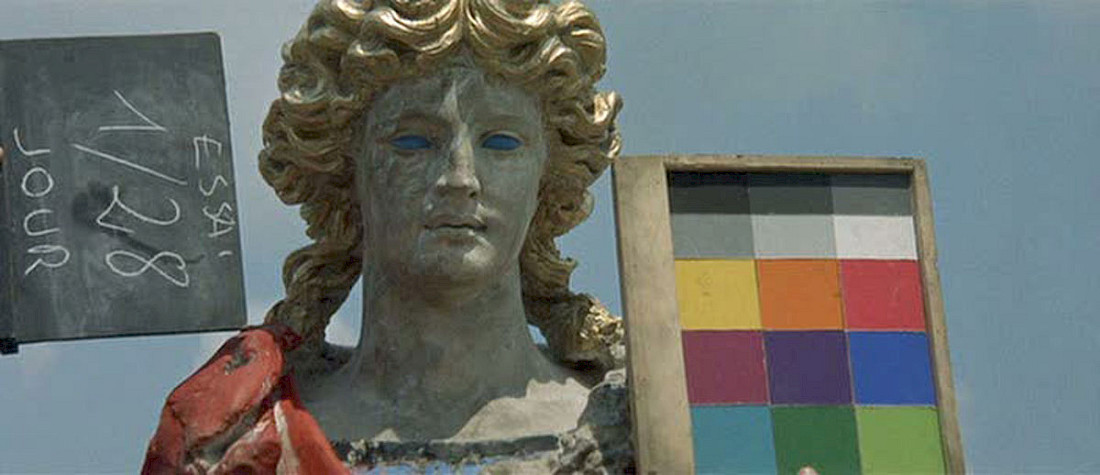
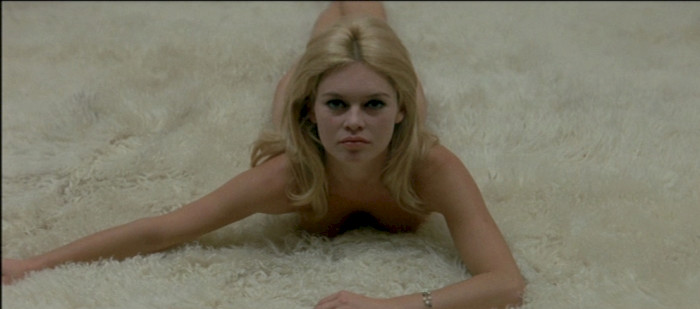
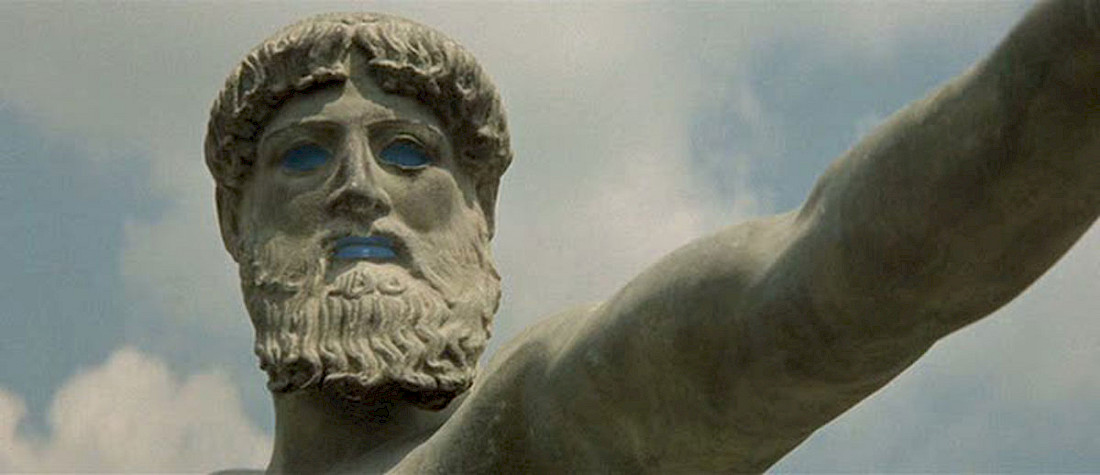
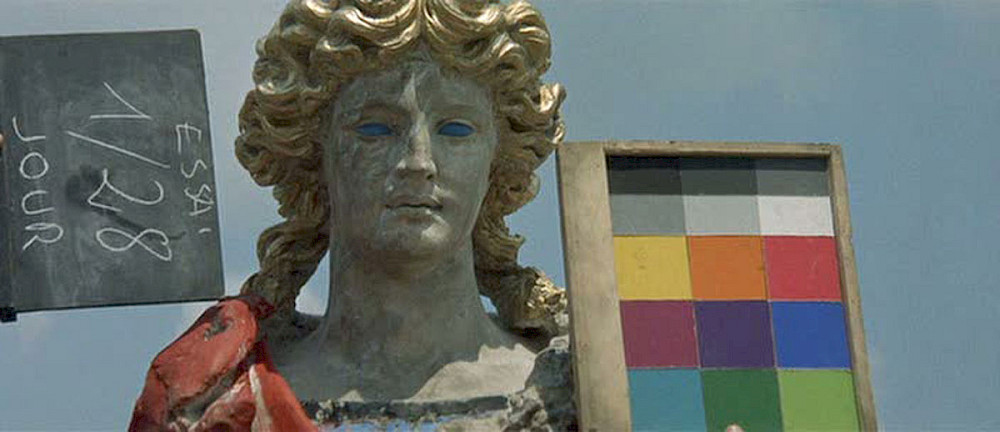
One of the core questions of the Lectorate FILM is how moving-image practices can be deployed as a mode of research. How do we use the camera as a pen? In what ways can we employ editing to generate insight into issues and situations? In this lecture we will examine how Jean-Luc Godard, who regarded himself as an essayist filmmaker, mobilised colour not merely to create atmosphere or produce meaning, but to interrogate a concept and approach an understanding of what it entails. He wanted to know what ‘contempt' is.
Le Mépris [Contempt] (1963), 103 mins
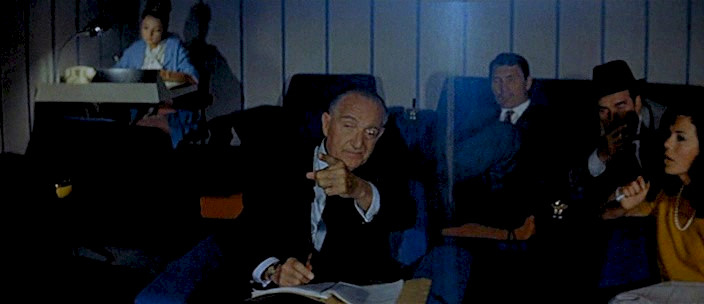
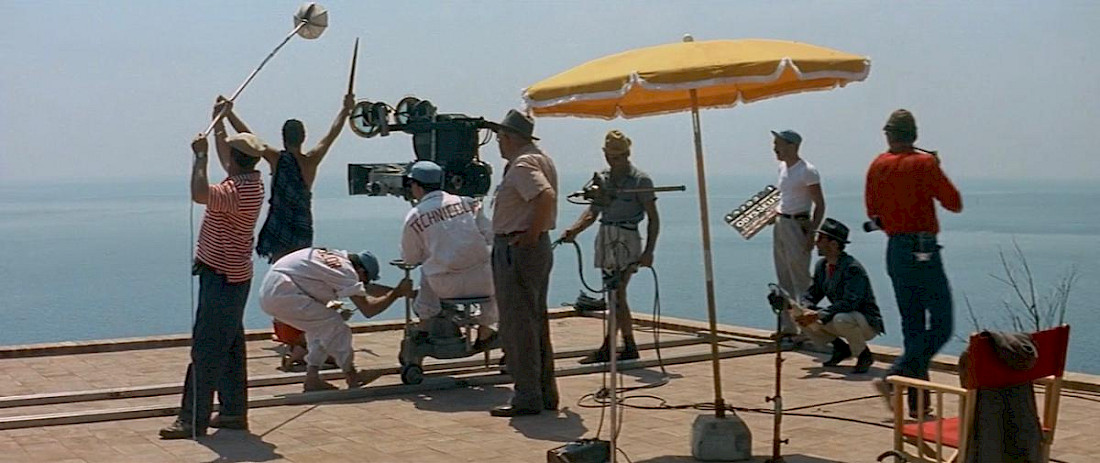
is a fiction film that explores multiple themes simultaneously. Framed as a melodrama, it is an essayistic exploration of contempt and a critique of the film industry with strong political undertones. The film is based on Alberto Moravia's 1954 novel Il disprezzo, which tells the story of a playwright whose marriage begins to unravel during the production of a film adaptation of Homer's Odyssey.
Le Mépris [Contempt] (1963), 103 mins
is a fiction film that explores multiple themes simultaneously. Framed as a melodrama, it is an essayistic exploration of contempt and a critique of the film industry with strong political undertones. The film is based on Alberto Moravia's 1954 novel Il disprezzo, which tells the story of a playwright whose marriage begins to unravel during the production of a film adaptation of Homer's Odyssey.
Jean-Luc Godard
Jean-Luc Godard (1930-2022) was a pioneering figure in the French New Wave film movement, rising to prominence in the 1960s. During his early career as a film critic for 'Cahiers du Cinéma', Godard criticized mainstream French cinema's "Tradition of Quality" and championed Hollywood directors like Alfred Hitchcock. In response, he and like-minde critics began to make their own films, challenging the conventions of traditional Hollywood in addition to French cinema. His work makes use of frequent homages and references to film history, and often expressed his political views. In 1969, he formed the Dziga Vertov Group with other radical filmmakers to promote poitical works.
Jean-Luc Godard
Jean-Luc Godard (1930-2022) was a pioneering figure in the French New Wave film movement, rising to prominence in the 1960s. During his early career as a film critic for 'Cahiers du Cinéma', Godard criticized mainstream French cinema's "Tradition of Quality" and championed Hollywood directors like Alfred Hitchcock. In response, he and like-minde critics began to make their own films, challenging the conventions of traditional Hollywood in addition to French cinema. His work makes use of frequent homages and references to film history, and often expressed his political views. In 1969, he formed the Dziga Vertov Group with other radical filmmakers to promote poitical works.
Thanks to everyone for joining!